SEMI ANNUAL
PROGRAMS
REPORT

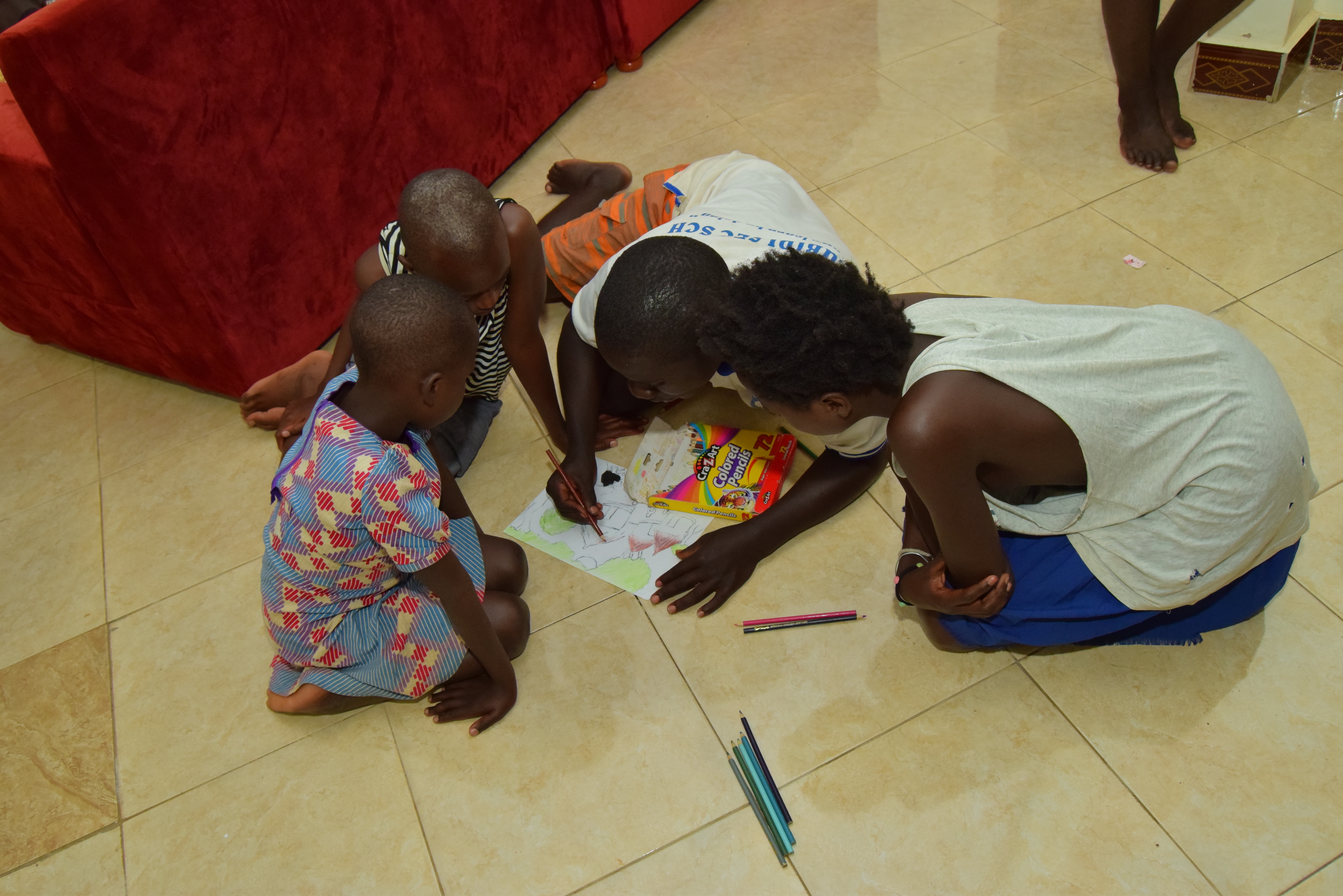
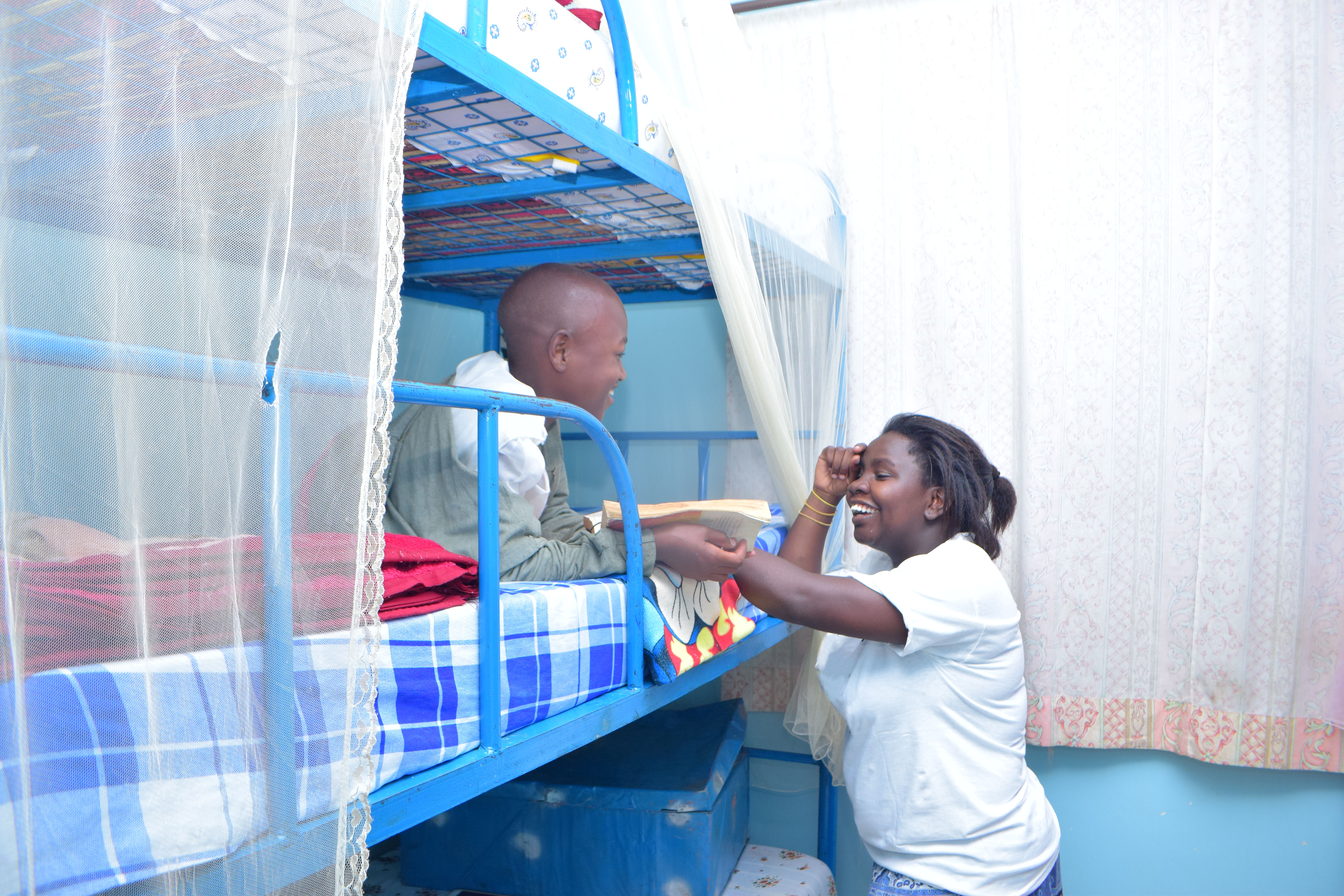
Program Image 1
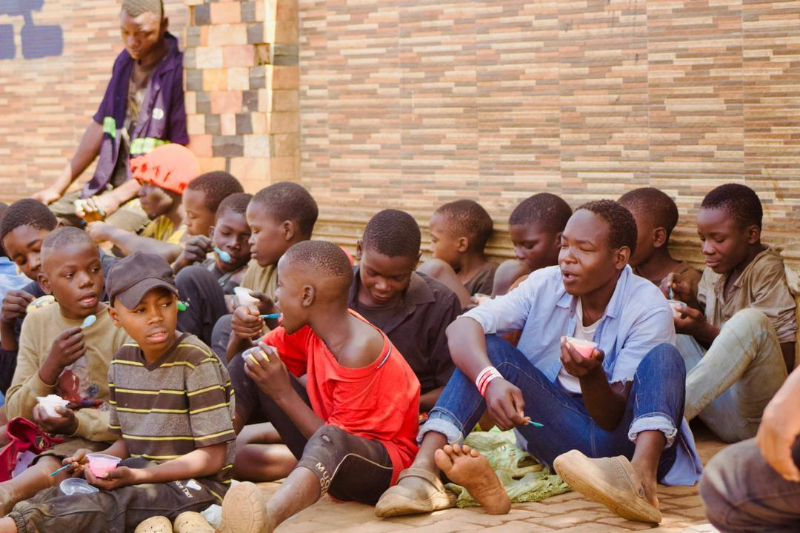
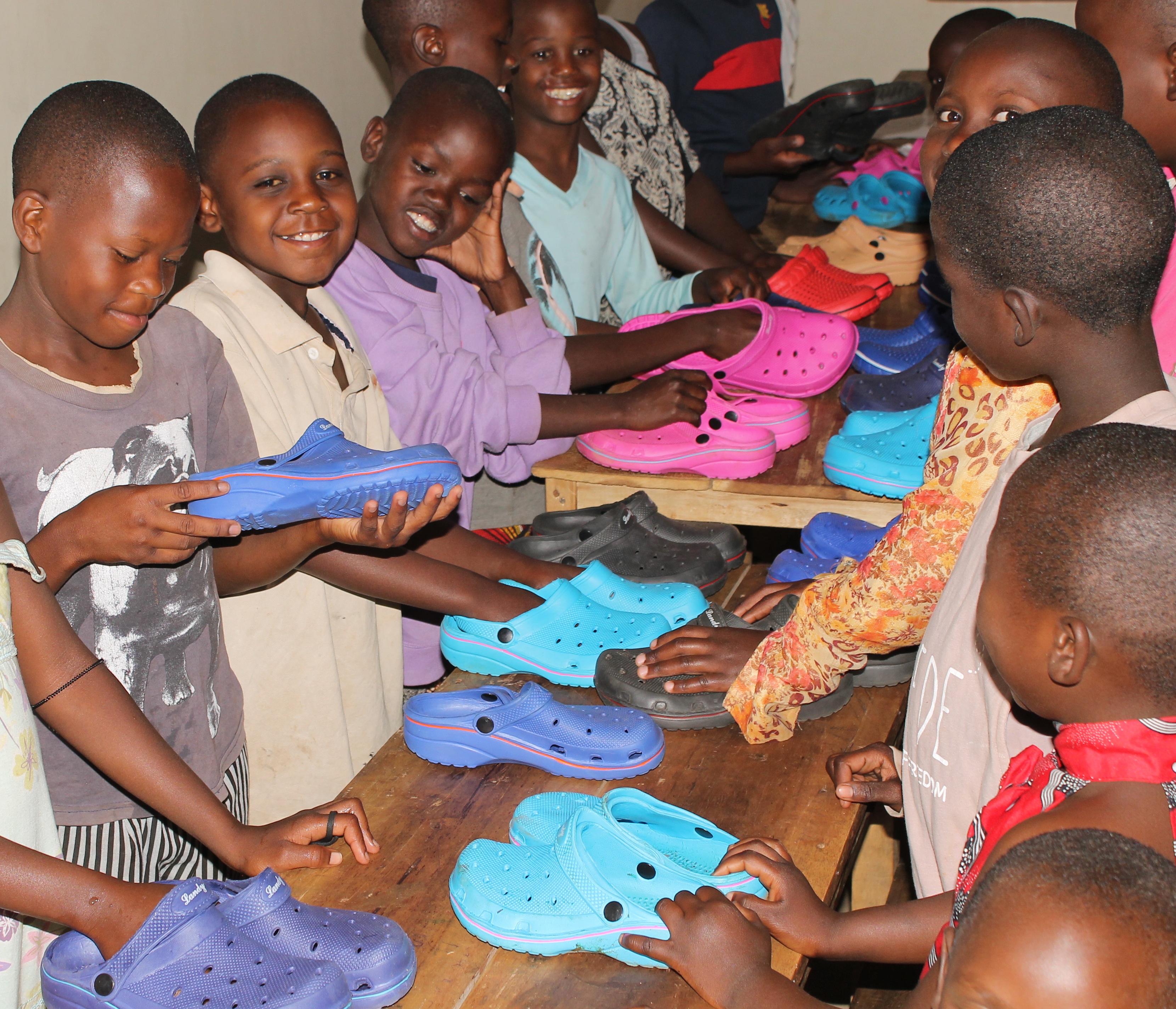
Program Image 2
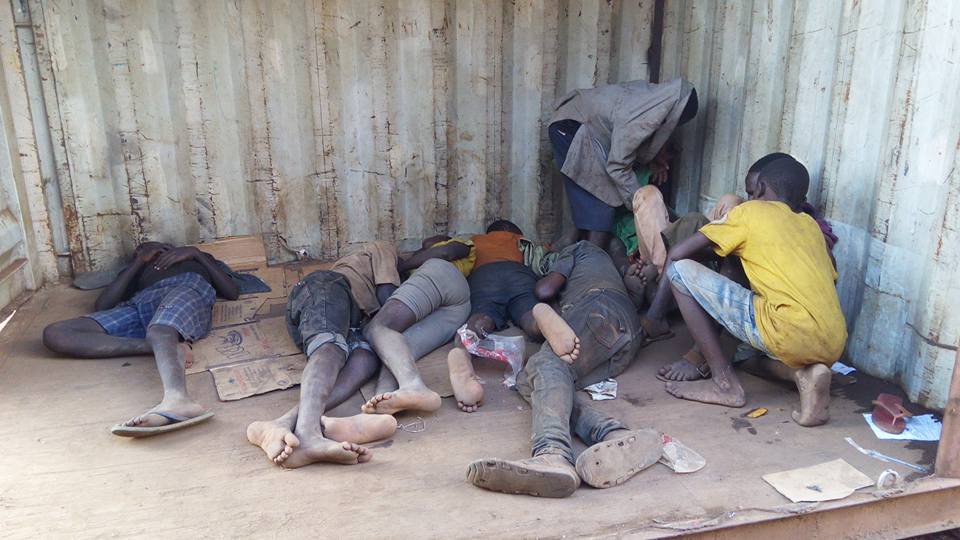
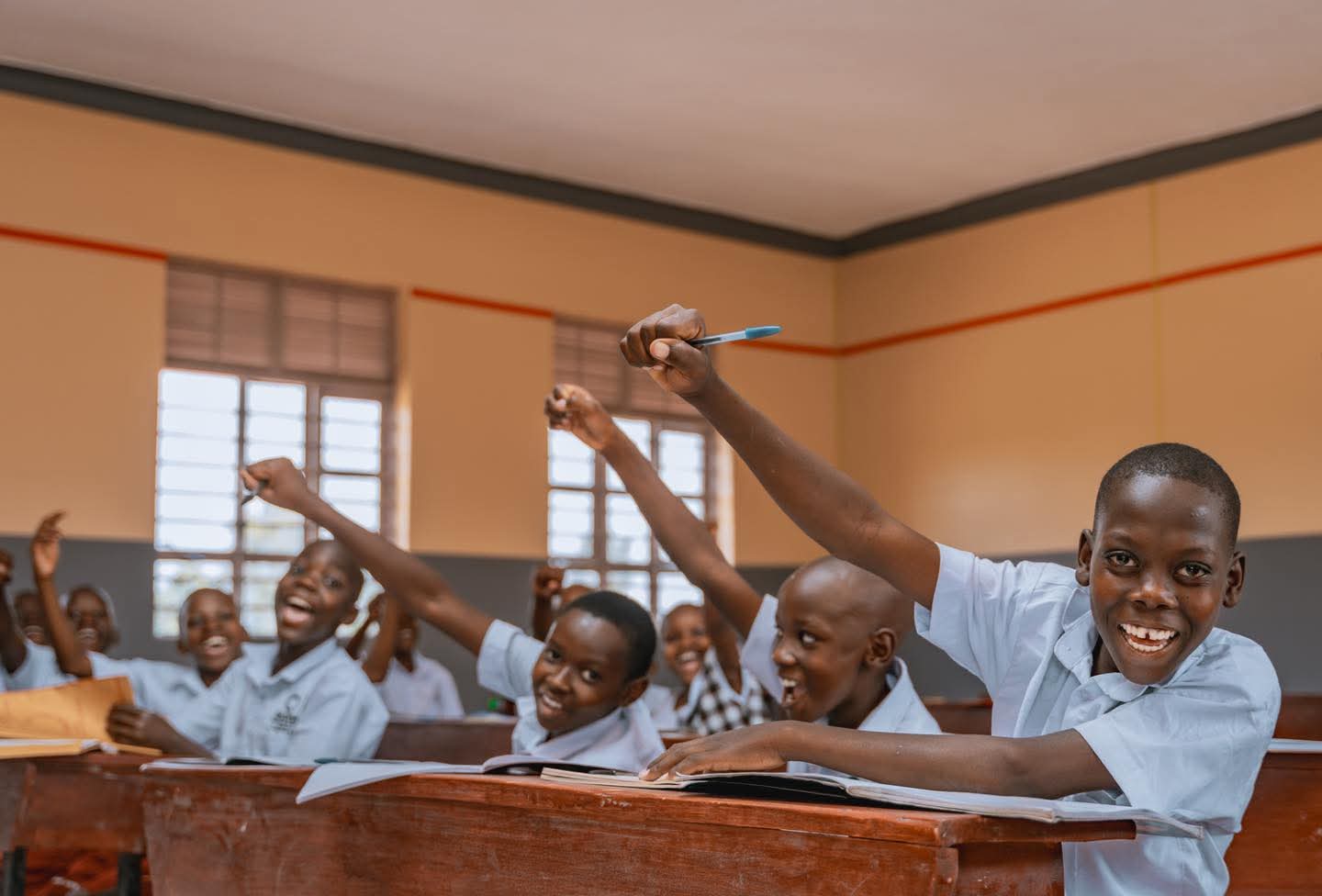
Program Image 3
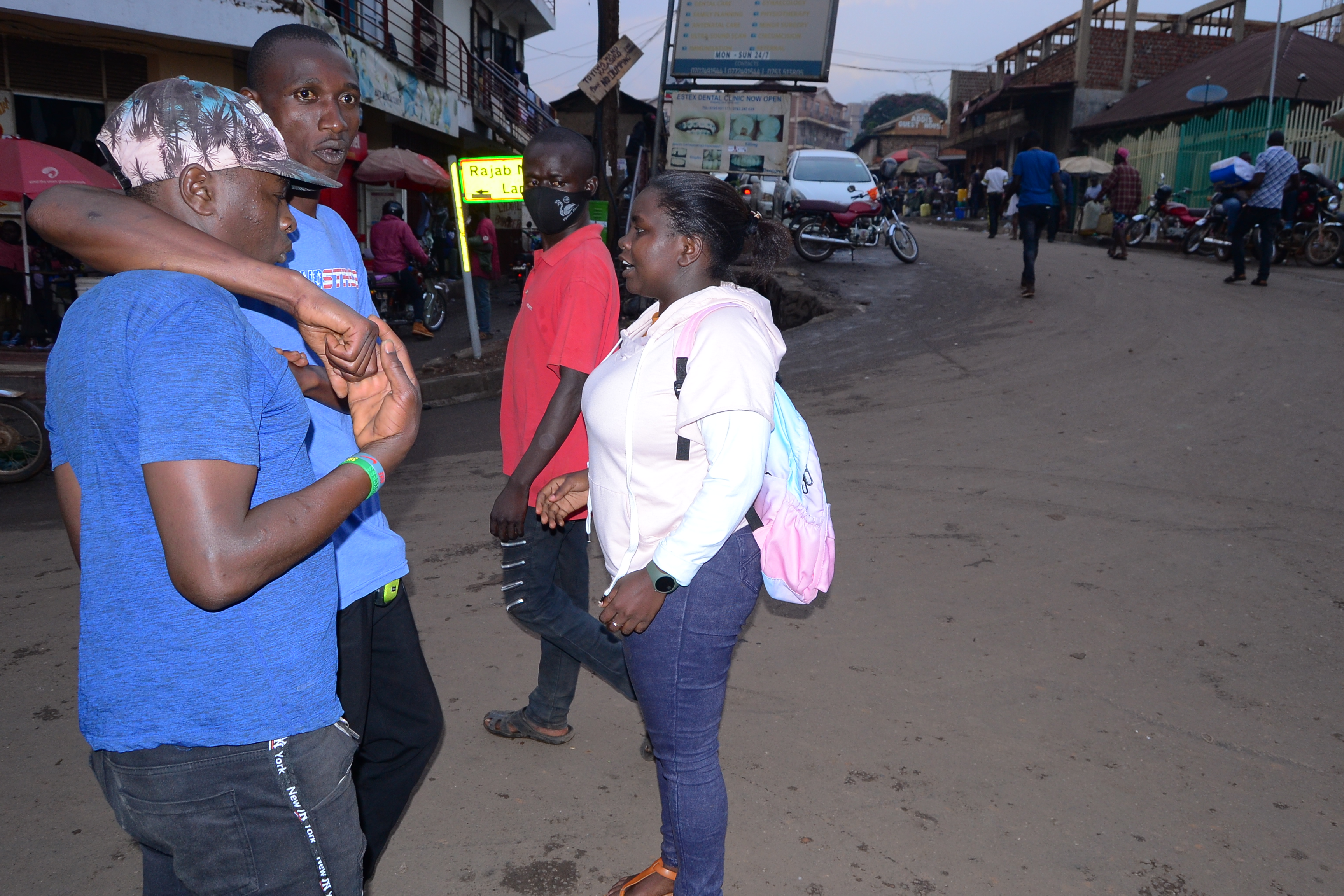
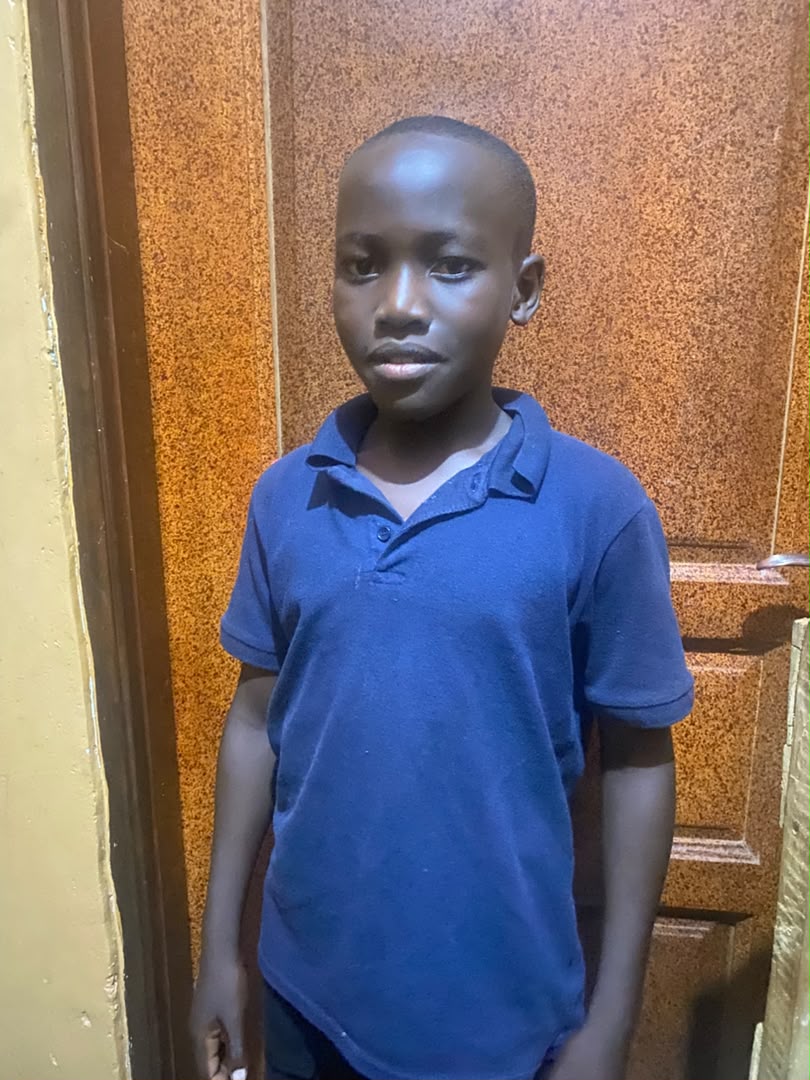
Program Image 4


Street Children Outreach Programs

This Semi Annual Programs Report reflects not only the activities we have carried out, but also the lives that continue to be transformed through care, rehabilitation, education, mentorship, and a supportive family environment. The street children outreach program has continued to provide a vital source of support, care, and guidance for street children despite increasing operational challenges such as frequent relocations, urban developments, and heightened restrictions that have disrupted activities.

Street Children Impact Report


Street Children Program

Street children outreach Program Progress.

Throughout the six-month period, the program has remained committed to creating a safe and welcoming environment where children can access nutritious meals, hygiene services, counseling, medical assistance, and opportunities for personal growth and transformation. Regular engagement through counseling, mentorship, and group discussions has encouraged positive behavioral change, with many children becoming more open, cooperative, and willing to take responsibility for their decisions while actively participating in conversations on substance abuse, life choices, and future opportunities.

Even children who initially struggled due to drug use or unstable behavior have shown gradual improvement through consistent support and guidance. Restoring dignity and promoting healthy personal habits has remained a key priority, with outreach sessions providing opportunities for children to bathe, wash their clothes, cut their hair, trim their nails, and receive clean clothing. These hygiene interventions have become increasingly important given the harsh realities of street life and have helped improve the children's self-esteem while reducing their vulnerability, particularly during periods of intensified police operations targeting young people in public spaces.

Counseling, mentorship, food support, and flexible outreach approaches continue to play a significant role in the rehabilitation process of street-connected children. The involvement of former street-connected children who have successfully transformed their lives has provided encouragement, hope, and practical examples of change, with individuals such as Thomas sharing personal experiences to help boys understand that a better future is possible despite their current circumstances. These sessions encourage children to move beyond street life and explore alternative opportunities. Food support remains a critical component of the outreach programs, as many children face increased food insecurity due to rising costs and reduced access to previous sources of meals.

Through the program, children continue to receive nutritious meals such as cassava and beans, maize flour with beans and cabbage, katogo, and porridge, while feeding activities also provide a consistent opportunity for engagement and relationship building.

The program has also continued adapting to the changing needs of children affected by displacement and urban developments, as ongoing demolitions and changes in city spaces have forced many children to relocate from their former sleeping areas and gathering points. These changes have made identification and mobilization more challenging, requiring increased movement, transportation support, and flexibility in selecting outreach locations, with temporary spaces such as tents, cinema halls, community areas, and open fields being used to ensure activities continue.

Majors

Despite ongoing challenges, the program has continued to record positive progress in supporting the reintegration and wellbeing of street-connected children. Several children who were brought to Kampala from rural areas for informal work have been supported to return home through collaboration with families and local authorities, with eight boys successfully reunited with their families while others continue to receive follow-up support. The program has also linked children to opportunities in sports, music, and practical skills development through partnerships with other organizations. Health support remains a key area of intervention, as many children continue to face illnesses and injuries, including malaria, flu, stomach problems, ear infections, and wounds.

Although medical assistance is provided whenever possible, challenges remain due to limited emergency funds and the need for referrals to larger health facilities. Substance abuse, particularly aviation fuel inhalation, continues to affect children’s participation and recovery, with counseling efforts focusing on addiction, decision-making, and the long-term impact of drug use. Encouragingly, some regular participants have shown reduced public drug use, although continued support is still needed. Additionally, increased arrests and enforcement operations have heightened the vulnerability of street-connected children, with some experiencing detention and challenges related to child protection and access to justice.

Continued Progress

The program has observed both emerging challenges and encouraging signs of change. A growing number of younger children, especially boys aged 13 to 15 years, are joining street life due to influence from older street-connected youth and hopes of finding opportunities in music, performance, and city life. This situation emphasizes the importance of early intervention, family support, and stronger community-based prevention initiatives. Despite these difficulties, the Street Kids Outreach Programs continue to make a meaningful impact through consistent outreach, feeding support, hygiene assistance, counseling, mentorship, medical care, and reintegration services.

The children continue to demonstrate resilience and gradual transformation, and through continued commitment, partnerships, and support, the programs remain an important source of stability, hope, and opportunities for rehabilitation and reintegration into safer and healthier futures.

Street Children Program Impact Report

A line graph representing the positive impact and progress achieved through attendance, feeding, counselling, health support, rehabilitation, and family reintegration.


Street Youth Group Counseling Initiative

The Street Youth Group Counselling Initiative was established to address the unique needs of older street boys aged 15 years and above, a group that often has fewer opportunities for rescue and placement in shelters. While younger children are more frequently prioritized for rehabilitation and family reintegration, many older boys remain on the streets with limited access to support in different forms.

Monitoring Dashboard

15

Total Boys Supported

6

Regular Attendance

3

Focused Participants

6

Transition Ready

1

Successful Transition

The Street Youth Group Counseling Initiative continued to support older street boys through counseling, mentorship, family engagement, and preparation for rehabilitation. The program aims to encourage boys to leave street life by reducing exposure to risks such as violence, substance abuse, criminal activities, gang recruitment, exploitation, and other dangers associated with street survival. During the reporting period, the program strengthened its approach by focusing on a smaller group of 15 boys who demonstrated willingness and readiness to begin the transition process. Counseling sessions were conducted twice weekly during evening hours in flexible locations such as restaurants, gardens, and open spaces. This approach allowed for deeper engagement, stronger relationships, and more individualized support based on each boy’s personal experiences and needs.

The counseling sessions focused on personal responsibility, emotional healing, conflict resolution, goal setting, trauma support, substance abuse awareness, family relationships, and preparation for life beyond the streets. Over time, several boys became more open in sharing their experiences, challenges, and future aspirations, showing improved trust and commitment toward positive change. Participation continued to improve, although attendance remained affected by the unstable conditions of street life. Among the 15 boys involved, 6 maintained regular attendance, 3 showed strong focus and commitment, 6 were identified as ready for transition support, while 9 continued to experience irregular attendance. Despite these challenges, the overall engagement and willingness to participate in the rehabilitation process increased.

Program Summary

A significant achievement during this period was the progress of one young boy who demonstrated consistency, maturity, responsibility, and openness to guidance. Through continued counseling and assessment, he successfully completed the preparation stage and began the transition process into the Independent Living House Program. His progress has encouraged other boys within the group to develop greater interest in vocational training and future rehabilitation opportunities. Family engagement activities also continued through family tracing and discussions with relatives where possible. Although some families showed willingness to support reintegration, challenges remain due to previous separation, neglect, and family conflicts. Each case continues to be assessed carefully to ensure that future reintegration decisions support the best interests of each young person.

Program Update The program continues to face challenges including inconsistent attendance, substance abuse, peer influence, unstable living conditions, frequent movement between locations, and limited economic opportunities. These factors make long-term rehabilitation more complex and require continuous counseling, mentorship, and individualized support. Moving forward, the initiative will continue assessing boys who are ready for vocational training and independent living support. The program will strengthen counseling services, expand transition preparation, support family engagement, and provide pathways toward stability, self-reliance, and independent living.
The different representation of the program demonstrates the relationship between counseling participation and rehabilitation readiness. The data shows that boys with higher attendance and stronger engagement tend to demonstrate greater readiness for transition.

Monthly Program Participation

Attendance Status Distribution

Program Growth Trend

Attendance vs Rehabilitation Readiness

As attendance and engagement increase, boys show greater commitment, improved behavior, stronger confidence, and increased readiness for vocational training and independent living support.

Rehabilitation Impact Report

Restoring Hope Through Our Programs

Every small step forward represents courage, commitment, and the power of consistent love and guidance. Every child carries a story, a dream, and the potential to create a brighter future.

Rehabilitation Program
Children receiving support

Rehabilitation Program Progress.

The children continue to make encouraging progress in their rehabilitation, education, and personal development. As more children attend school, the shelter has established structured daily routines that promote discipline, responsibility, and independence. Early morning preparation, supervised homework, evening study sessions, and consistent routines are helping the children adapt to a more organized way of life.

Significant improvements have been observed in the children's behavior and relationships. They are becoming more respectful, cooperative, and appreciative of one another. Through continuous guidance and counseling, they are learning to resolve conflicts peacefully, communicate better, share resources, and build healthy friendships. The boys have shown improvement in controlling their emotions, cooperating with others, and handling disagreements without violence. The girls continue to demonstrate responsibility through household duties, teamwork, meal preparation, and management of their personal belongings.

Daily responsibilities remain an important part of the rehabilitation process. Children are assigned tasks according to their age and abilities, helping them develop independence, accountability, teamwork, and a strong work ethic. The shelter continues to encourage a family-like environment where children support and care for one another.

Education continues to play a major role in the children's transformation. The children remain engaged in their studies through regular school attendance, homework, holiday assignments, and supervised revision. Although some boys continue to experience challenges adjusting to structured learning due to their previous street experiences, they are making progress through consistent support, encouragement, and guidance.

Mentorship and counseling continue to strengthen the children's emotional and social development. Sessions with former street children who have successfully transformed their lives provide encouragement, practical advice, and positive examples. Monthly visits from a mentoring pastor also provide spiritual guidance, emotional support, and motivation, helping the children develop confidence, hope, self-worth, and positive goals for their future.

The shelter continues to provide individual care and support, including attention for a child living with epilepsy. The other children have developed greater understanding and empathy, learning how to support and care for one another.

Despite the progress made, challenges remain. Limited funding has required adjustments to some meals and snacks in order to support essential educational needs. The shelter also faces an urgent need for new bedding after a bedbug infestation damaged many mattresses, affecting the comfort and health of the children.

Overall, the children continue to grow socially, emotionally, academically, and spiritually. Through consistent care, education, mentorship, and guidance, they are developing the confidence, responsibility, and life skills needed for a safer and more successful future.

72+

Children Supported

15

Successfully Reintegrated

90%

Continued Progress

40+

Families Reached

Rehabilitation Outcomes

A snapshot of progress achieved through our rehabilitation programs.


Education Programs

Our education programme supports learners at every level, including primary school, secondary school, vocational institutions, and university. Throughout the reporting period, we worked closely with schools to ensure children remained enrolled, settled into their new learning environments, and received the academic and emotional support they needed to succeed.

Education Progress Report

The academic year began with a phased enrolment process to accommodate the different reporting schedules across education levels. Priority was given to candidates preparing for national examinations, university students, and vocational trainees because of their earlier reporting dates and greater academic demands.

As the months progressed, additional groups of learners resumed school in stages. While some children initially reported later than expected because of outstanding school requirements, continuous engagement with schools and careful planning enabled most learners to resume their education. Schools demonstrated remarkable understanding by allowing flexible arrangements for some requirements, ensuring that children were not unnecessarily excluded from learning.

Several children transferred to new schools during the reporting period. Although these transfers created additional logistical demands, they ultimately placed learners in environments better suited to their educational and personal development. The experience highlighted the importance of preparing contingency plans for school changes and fee adjustments so that future transitions can be managed more smoothly.

Program Update

Overall academic performance has been encouraging throughout the reporting period. Mid-term and beginning-of-term examinations showed that many children are making steady progress, with several producing excellent results. Senior Four, Senior Six, and Primary Seven candidates have demonstrated strong commitment to their studies as they prepare for their national examinations. Students in boarding schools have particularly benefited from structured learning environments that provide greater concentration and consistent academic support. University students have continued progressing well in their respective programmes, while several young people pursuing vocational training have remained committed to developing practical skills that will enhance their future employment opportunities.

Many children who previously spent extended periods out of school have adjusted remarkably well to classroom learning. Their confidence continues to grow as they regain lost learning opportunities and develop positive study habits. Despite the encouraging progress, some learners continue to require additional academic support. The greatest challenge remains among a number of lower primary learners, particularly those in Grade Two, who continue to struggle with reading, writing, pronunciation, and comprehension in English. Many understand concepts well when questions are explained in their local language but experience difficulty interpreting examination questions presented in English.

Education Beneficiary Overview

Education Finance Report

The education finance report highlights the key areas of investment supporting children's access to education, including school fees, learning materials, uniforms, vocational training, and university support.

Education Financial Support Breakdown

Resettlement Programs

Resettlement remains one of the program's most important long term goals, representing a child's successful transition from street life into a safe, stable and supportive family environment. Every child undergoes rehabilitation, counselling, family tracing, home assessments and readiness evaluations before reunification.

Resettlement Programme Report

RESETTLEMENT & FAMILY REINTEGRATION PROGRAM

Resettlement Summary

Resettlement remains one of the programme's most important long-term goals, representing a child's successful transition from street life into a safe, stable and supportive family environment. Children undergo rehabilitation, counselling, family tracing, education support, home assessments, and continuous follow-up to ensure that reunification is safe, sustainable, and in the child’s best interest

Achievements

  • During the reporting period, the programme achieved significant progress in resettlement and family reintegration. Six children who had been separated from their families were successfully reunited through family tracing, coordination with authorities, and follow-up support. In addition, two successful resettlements were completed for Ibrahim and Azaru after they underwent rehabilitation, counselling, education support, and readiness assessments. Four boys also voluntarily expressed their desire to return home, demonstrating increased willingness among children to leave street life and reconnect with their families.

  • The program continued providing support to children with complex needs, including two mental health cases following hospital discharge, while ensuring stability through family support and alternative care options where necessary. Education remained a key component of reintegration, with scholastic materials provided and school fees paid directly to schools to improve accountability. To strengthen follow-up and reduce transportation challenges, grouped family follow-up meetings were introduced, allowing program staff to monitor children’s progress while providing families with continued guidance and support.

Major Challenges

  • Economic hardship affecting families.
  • City demolitions disrupting stable housing.
  • Behavioural adjustment after street life.
  • Outstanding school fees.
  • Limited transport for follow-up visits.
  • Pressure on parents and guardians.

Resettlement Impact

Throughout the reporting period, children demonstrated encouraging progress in rehabilitation, education and family reintegration. School attendance improved, families became more engaged, counselling strengthened relationships, and an increasing number of children voluntarily chose to return home. Continuous follow-up remains essential to ensure long-term success and sustainable reintegration.

Resettlement Program Focus

6

Family Reunifications

2

Successful Resettlements

4

Seeking Reintegration

2

Mental Health Cases

3

Alternative School Placement

100%

School Fees Paid Directly


Portrait Image
"Every successful resettlement is a child given another opportunity to grow within the love, protection and stability of a family."


Advocacy Program Report


ADVOCACY PROGRAM PROGRESS REPORT

Driven by the belief that no child should be left without protection and opportunity, the Advocacy Program continued to champion the rights and wellbeing of street children through strategic advocacy, partnerships, and community-driven interventions.

Report Overview

Between February and May, advocacy activities focused on promoting the protection, rehabilitation, and reintegration of street-connected children through engagement with police, local communities, government agencies, civil society organizations, and other stakeholders.

The reporting period included legal advocacy for detained children, stakeholder meetings, community awareness campaigns, police engagement, rehabilitation planning, temporary shelter support, and vocational opportunities for vulnerable youth.

Despite positive progress in collaboration and community engagement, major challenges remained including mob justice, inadequate rehabilitation services, limited medical support, funding shortages, continued police arrests, and weak implementation of stakeholder commitments.

The reporting period demonstrated the importance of sustained advocacy, stronger institutional collaboration, expanded counseling and rehabilitation services, child-sensitive policing, and community reintegration programs to improve the lives of vulnerable children.

16+

Stakeholder Meetings

4

Months of Advocacy

100+

Children Reached

5+

Partner Organizations

Monthly Advocacy Activity Level

February
8 Activities
March
11 Activities
April
13 Activities
May
12 Activities

Key Achievements

Key Challenges

Recommendations

HEALTH PROGRAMS PROGRESS REPORT

The Street Youth Group Counselling Initiative was established to address the unique needs of older street boys aged 15 years and above, a group that often has fewer opportunities for rescue and placement in shelters. While younger children are more frequently prioritized for rehabilitation and family reintegration, many older boys remain on the streets with limited access to support in different forms.


Six-Month Health Care Report

Health Care Program Progress

Over the past six months, the children in our care have experienced a significant number of health challenges, resulting in increased demand for medical services and higher healthcare costs. Common illnesses included malaria, flu, coughs, bacterial infections, urinary tract infections, typhoid, asthma, and several cases of tuberculosis. Many children required repeated visits to health facilities, while some were sent home from school after first aid treatment proved insufficient. Several children needed more than a week to recover before they were well enough to return to school.

Recurring illnesses, particularly during the school term, were linked to overcrowded sanitation facilities and limited access to safe drinking water at school. These health challenges placed considerable pressure on the medical budget, exceeding the agreed financial arrangement with our healthcare provider and affecting the timely delivery of treatment. Despite these constraints, the children continued to receive the medical attention they required through consultations, medication, laboratory investigations, transportation, and hospital care whenever necessary. To ensure the children's safety, we also purchased medications from pharmacies after concerns arose about medicines supplied through public health facilities that were close to or beyond their expiry dates.

The reporting period also brought several complex medical and social cases. Three girls were diagnosed with HIV after being referred to the program, one of whom disclosed abuse by her stepfather, while the other two were born with the condition. They were referred to a specialized HIV/AIDS center for counseling, treatment, and ongoing care before their planned return to the shelter. During street outreach activities, several children were identified with complicated medical conditions, including severe infected wounds and injuries requiring extensive treatment. Additionally, one girl was involved in an accident but, following medical examination, was found to have no serious injuries and has recovered well.

The period also included complex social and medical cases, including three girls diagnosed with HIV who were referred for specialized counseling and treatment. Street outreach activities identified children with severe wounds, injuries, and other complicated medical conditions requiring urgent care.

We remain grateful for the recovery of many children and for the continued support that enables us to provide healthcare services. We continue to pray for healing, protection, and resources to meet the growing medical needs of every child.

Health Challenges Distribution

Distribution of Major Health Cases


Impact Dashboard
2,858 children supported since 2005
211 cases assessed engaged
83 children rescued, rehabilitated & reintegrated
58 children intercepted
34 Caregivers supported under the Family Empowerment Program
121 street outreaches conducted
273 street children received medical services
93 children supported in Education
34 youth acquired skills
116 Children & Youth Empowered to claim their rights
34 Resettled families